

Britain in Bloom inspires community groups in towns, cities and villages to make positive changes to their local environment through horticultural, environmental and community action.
Britain’s nationwide gardening competition is a powerful tool for building communities and tackling local issues together. Groups register to take part in one of 16 regions across the UK.
Regional judging takes place in June/July, and national judging in August. The results are announced at an awards ceremony in the autumn.
Bradley Fold Allotments has entered the competition again this year; below is the submission that we’ve made to the judging panel for 2025.
Nothing compares
Our community at Bradley Fold Allotments has demonstrated immeasurable resilience in 2025 overcoming the adversity of New Year floods that swept across the river plain of the Mersey.
Not only did the Environment Agency raise their flood gates without warning on the evening of December 31 2024, but also the turbulent and swollen river breached its banks in several places.
While our allotments are occasionally submerged in a controlled and gradual way when the river level rises too much, nothing has compared to the torrent of contaminated swirling water that rushed across the site from several directions during the first few days of 2025, creating eddies, gouging away topsoil, and carrying sheds, water butts and compost bins as far away as two kilometres.
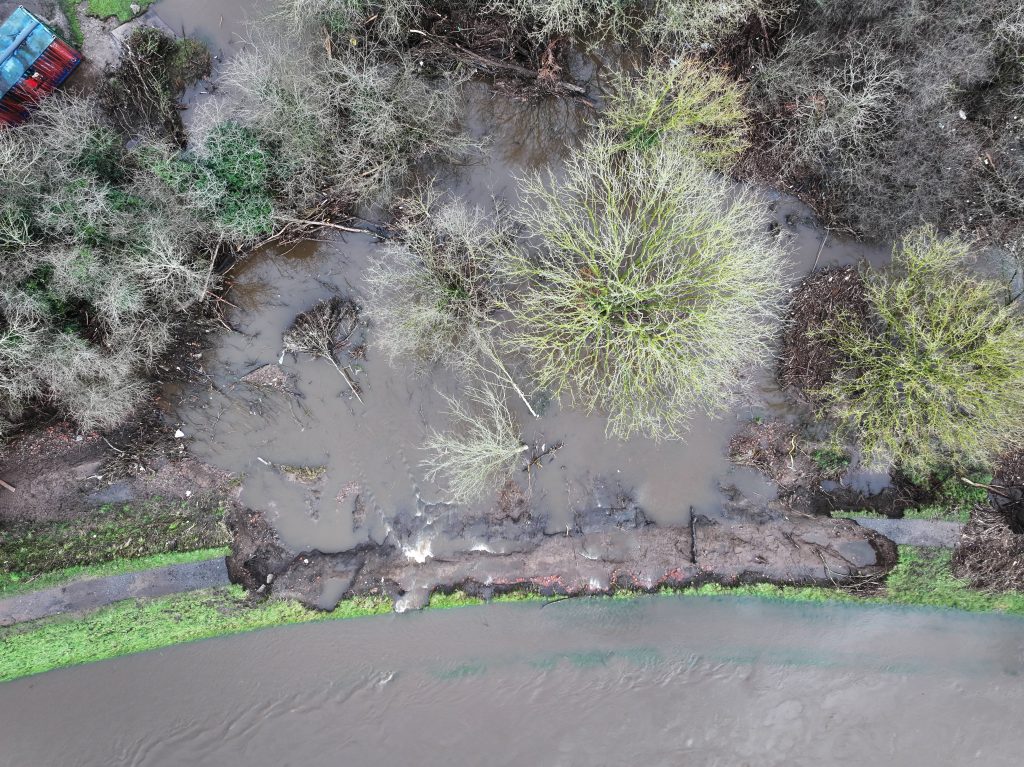
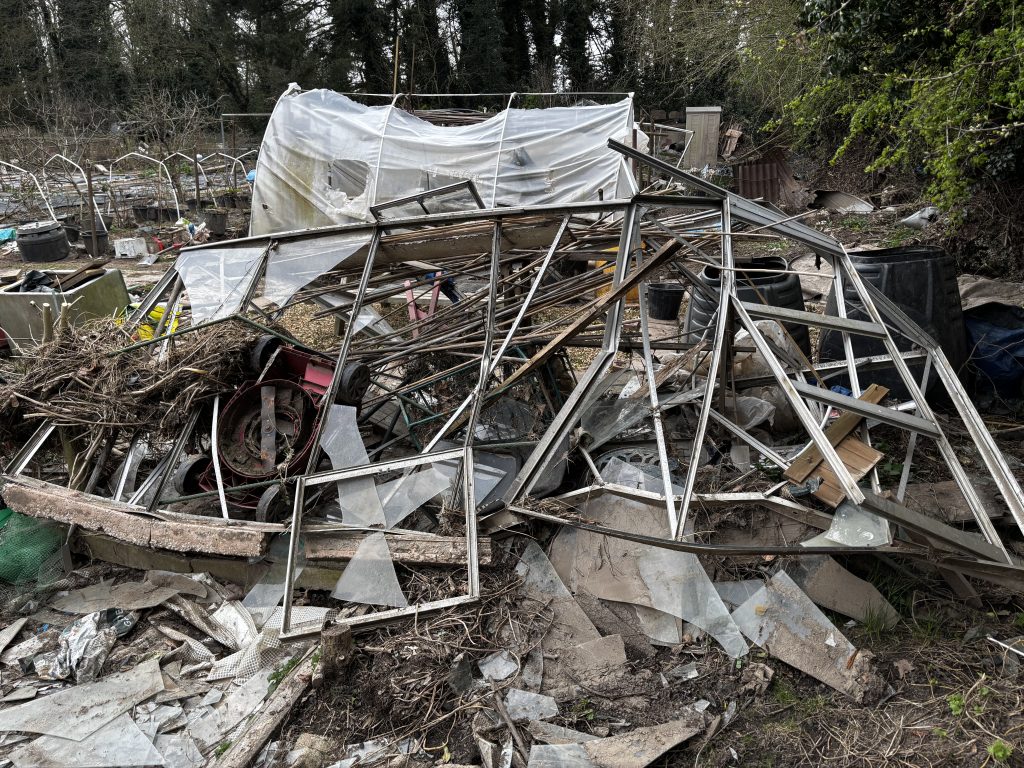
Our metal shipping container – used for storage of machinery – was floated 500 metres from one side of the site to the other. Our shop was filled with water and sewage. Our eight-foot-high metal security gates were bent and ripped out of their footings.
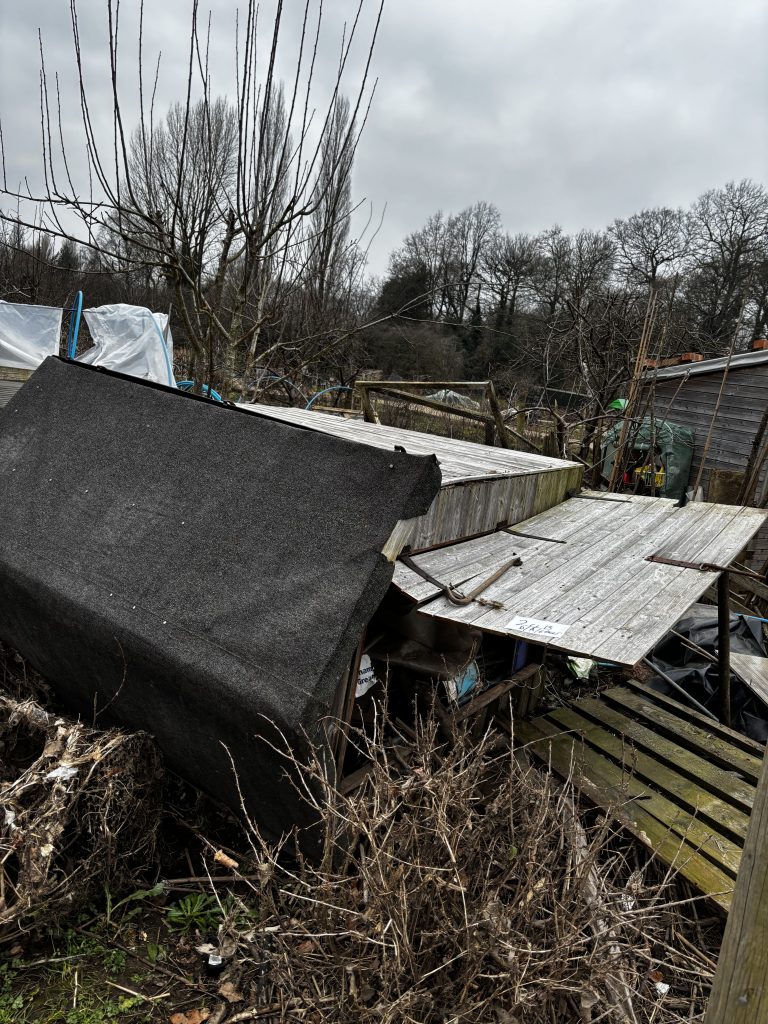
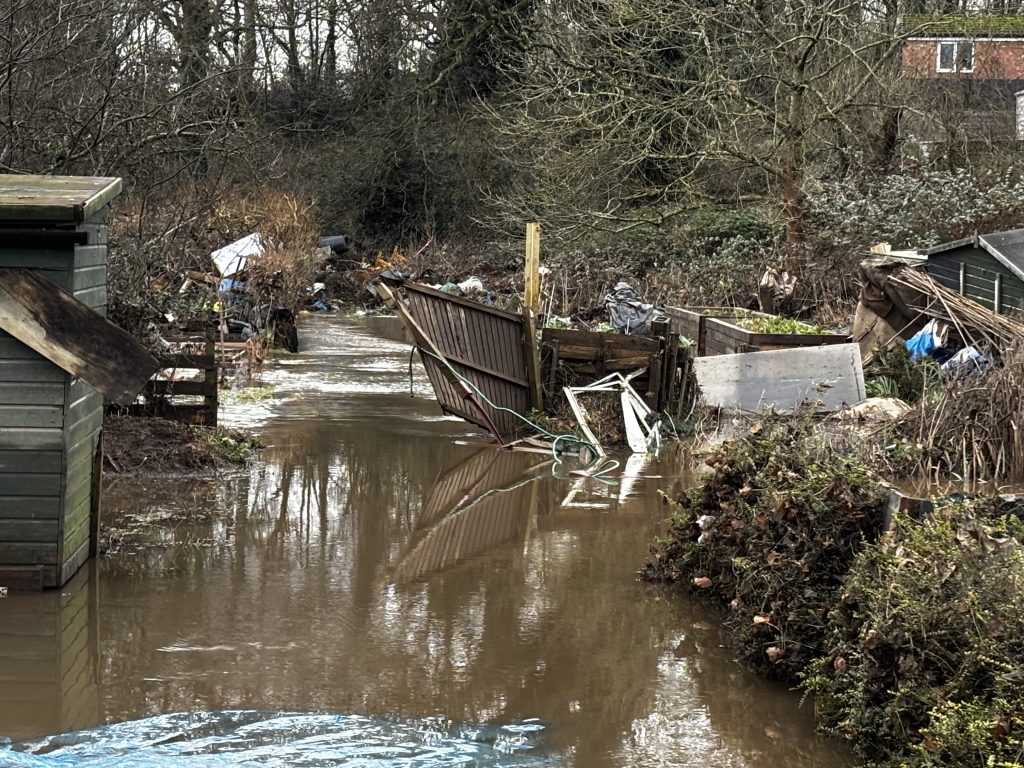
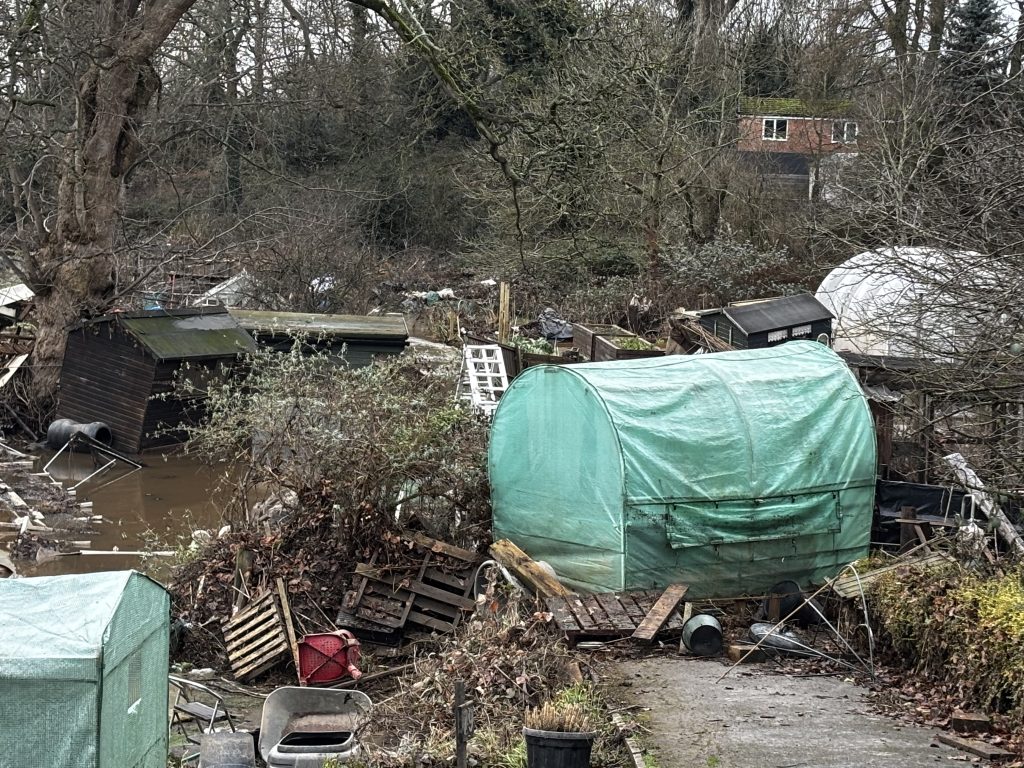
This flood was an unprecedented and unpredicted disaster, and required exceptional co-ordination from the allotment committee and members to rescue the site.
Recovery and community relations
The committee immediately called an emergency meeting and within days developed a recovery plan, to coordinate with emergency services and to link with neighbour organisations also suffering from the flood. We prioritised recovery, security, soil testing and future proofing against further floods.
Bradley Fold remained under a depth of water for several weeks, with glass, wire, metal and hidden trip hazards threatening members who were keen to assess damage and recover their plots. We urged people to get up to date tetanus injections, and one member took drone footage of the plots which was circulated to plot holders via Youtube.
We communicated by email, Whatsapp and Facebook regularly, and held public meetings in February and March to enable everyone to express their views and worries.
It was important for us to rescue Bradley Fold because of the importance of the allotments to so many for their health and mental resilience. We had only recently established a community access plot where people who are elderly or frail can nurture crops in dedicated raised beds. And we know our site is a green oasis in the city boundaries offering habitats to species such as hedge sparrows and wrens, as well as badgers and foxes.
Our partnership relations and links to local companies came to the fore during the recovery, with generous supplies of fresh wood for rebuilding and skips for debris. The City council also provided a series of skips and an articulated crane to return our shipping container to its former position.
We had already built strong community relations and plans for sustainability and biodiversity, winning funding totalling around £10k from a variety of sources including Manchester’s neighbourhood investment fund, the Lord Mayor’s Charity, Tesco, Didsbury Open Gardens and others. We now had to pull on our own personal resources and skills.
Our volunteers
The disaster has built a strong community of volunteers within the allotments – particularly a team of shed-shifters who developed an ingenious sedan-chair method of recovering washed-up sheds. And we now have a range of volunteers from outside organisations coming on site every month to develop our projects to boost bio-diversity and sustainability.


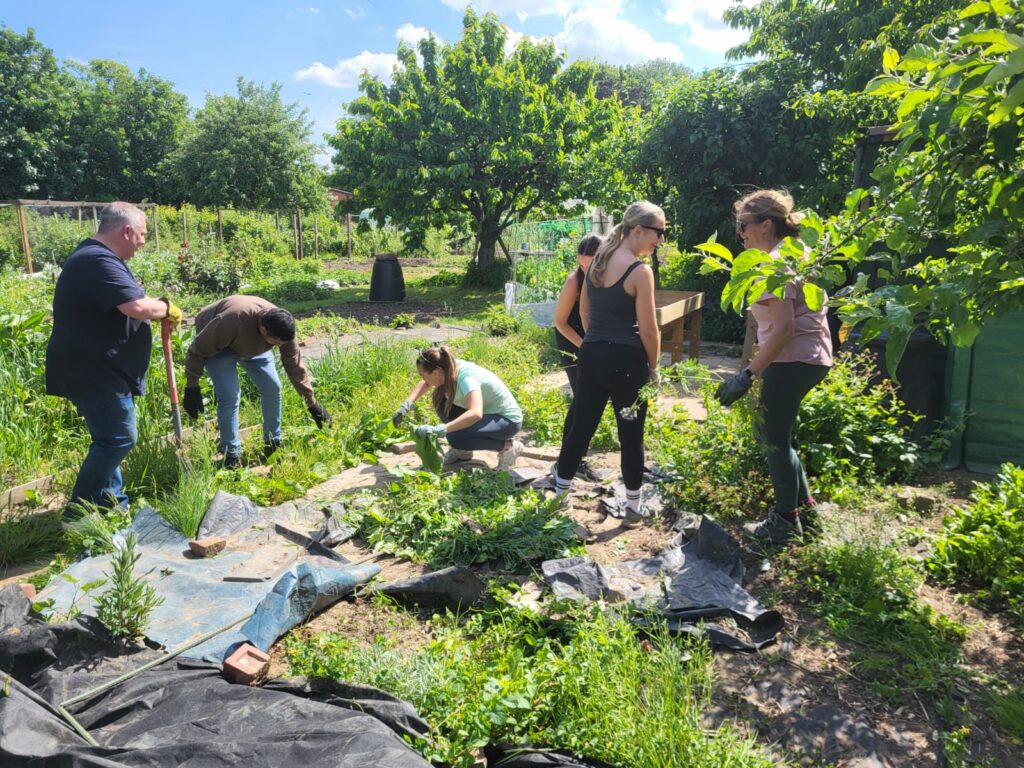

As well as an established relationship with Turner & Townsend who helped us build the community plot in 2024, we now work with Siemens, the Growth Company and the Environment Agency to host volunteer days, totalling 580 hours so far in addition to the countless hours from our own society members.
These volunteers have painted sheds, cleared ponds, built bug hotels, moved debris and created fruit beds.
We have encouraged our internal volunteers to help at local organisations such as Didsbury Good neighbours and local schools, in particular creating a sensory garden for disabled youngsters at Lancasterian School.
Every year we send excess produce to local charities and food banks, and we are delighted to be able to continue this tradition. Our community orchards and polytunnel have never been in better shape thanks to the extra hours from the
volunteers.
What next?
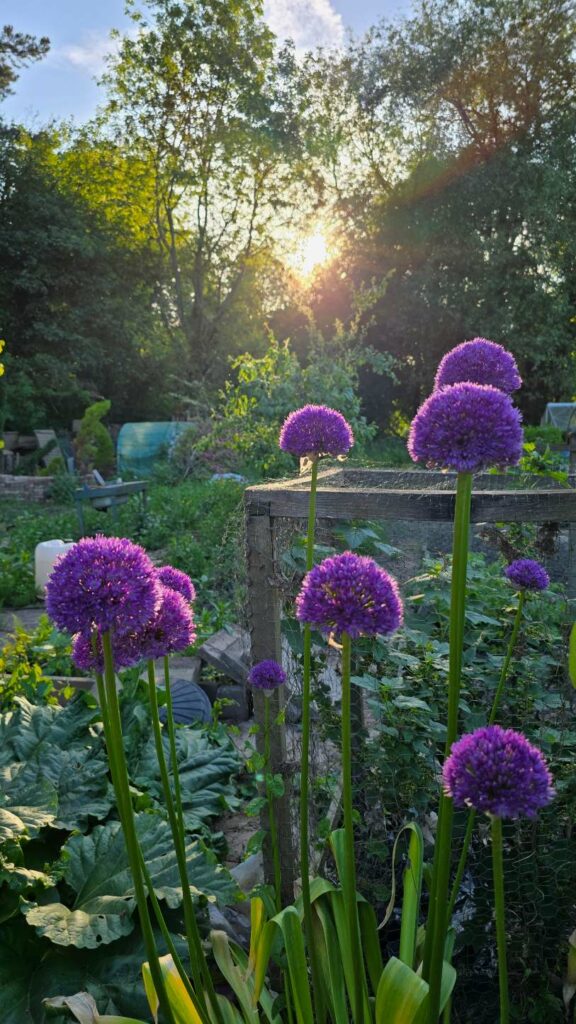
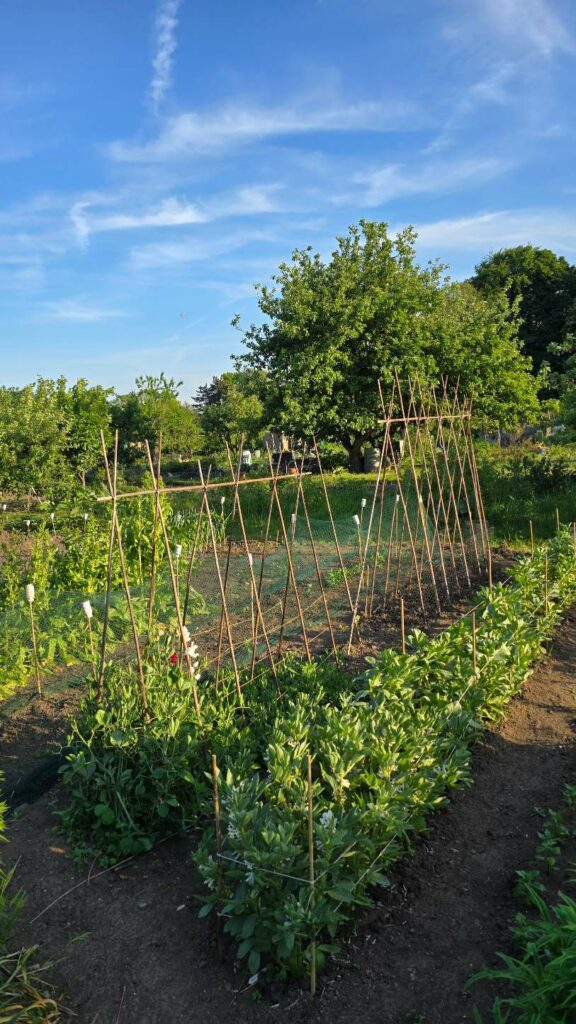
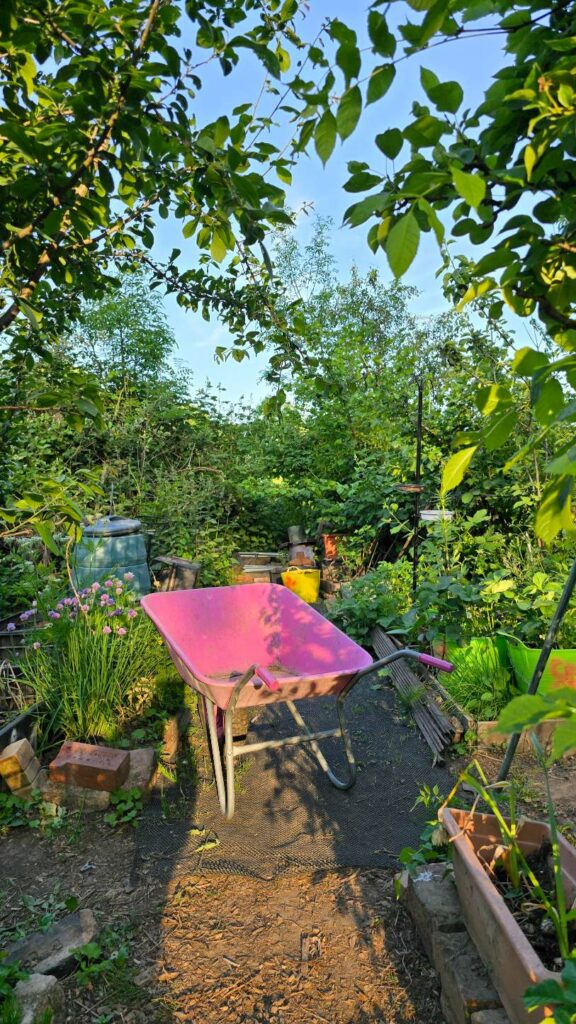
The floods were a shocking and distressing way to start 2025 but our community is more cohesive, more sustainable and as we move forward, we are prioritising resilience, sustainability and the mental health of those who garden here and those who receive our produce. Crops are now growing vigorously and newts, insects and wildlife are abundant.
There are 300 on the waiting list for a plot and although several have decided to retire, we have a new influx of families with children, which creates a new energy and opportunity for engagement.
Our AGM was the best attended with more than 100 people and our summer barbeque saw more than 120 burgers and buns served up alongside a range of homemade salads, breads and desserts.
We are now urging members to make sure their sheds and structures are flood-proof, and encouraging the use of green manure overwinter to stop soil being washed away again.
We are delighted and proud to have overcome the adversity of the floods thanks to the diligence and dedication of our committee and volunteers and we thank them all.
Janine Cottingham.
Chair, Bradley Fold Allotments.